
3D films presenting buildings and projects
A rendering shows the building standing still from one angle. A 3D film takes viewers around it, up high and down to the entrance, conveying scale and the relationship with the landscape in a way stills cannot. All imagery is built from the model; the building doesn't need to exist yet.
- Built entirely from the 3D model — can be produced before construction starts
- Export in multiple aspect ratios for event screens and social media
- Sample films matching your project type are sent when you contact us
Commonly ordered film formats
Each format differs in running time, scene-building workload and cost. Naming the right format shortens the discussion phase.
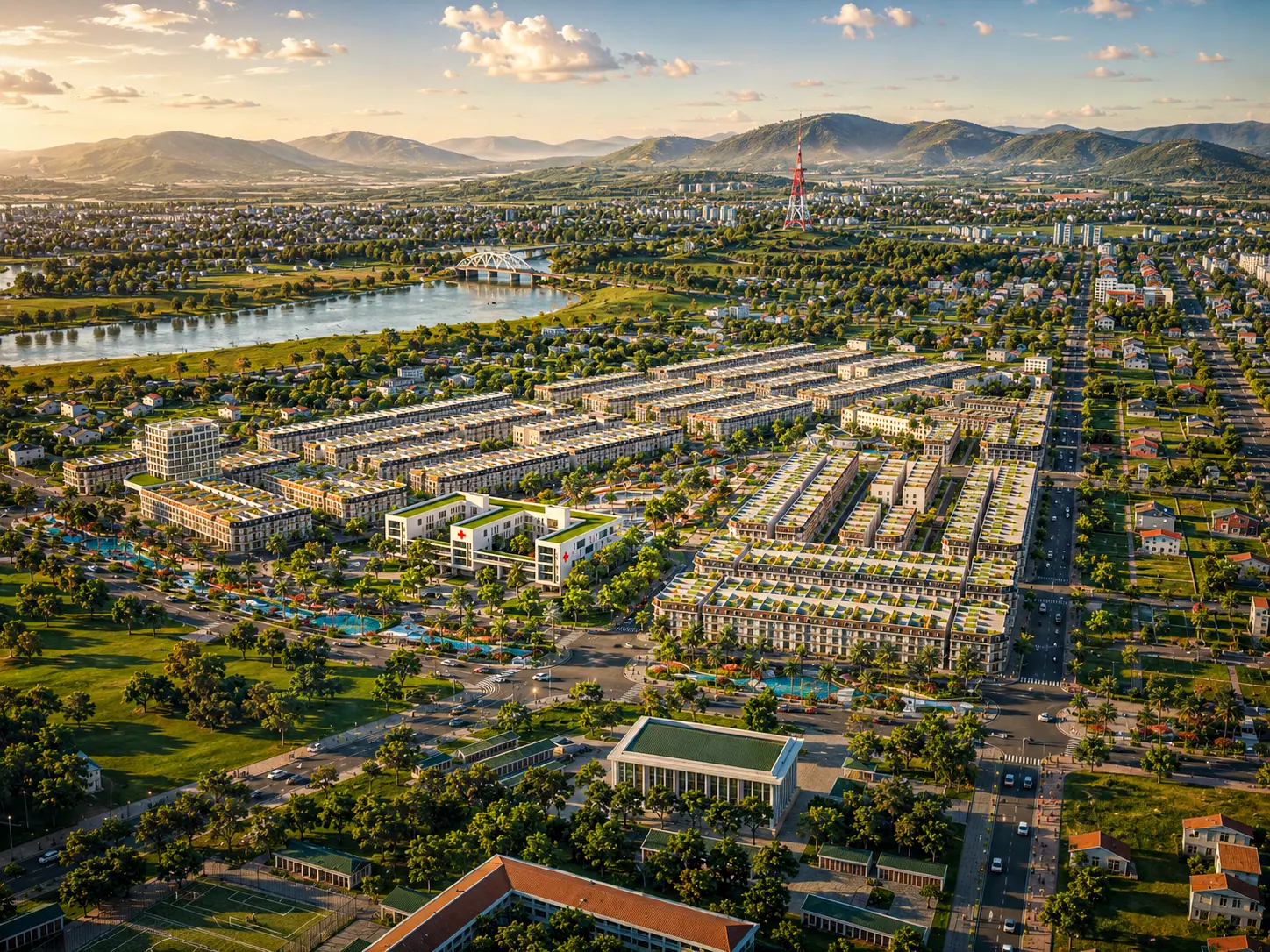
Project overview films
Flies from the aerial overview down into each zone, showing scale, internal circulation and amenities. This is the format screened at launch events and placed on the project's homepage.
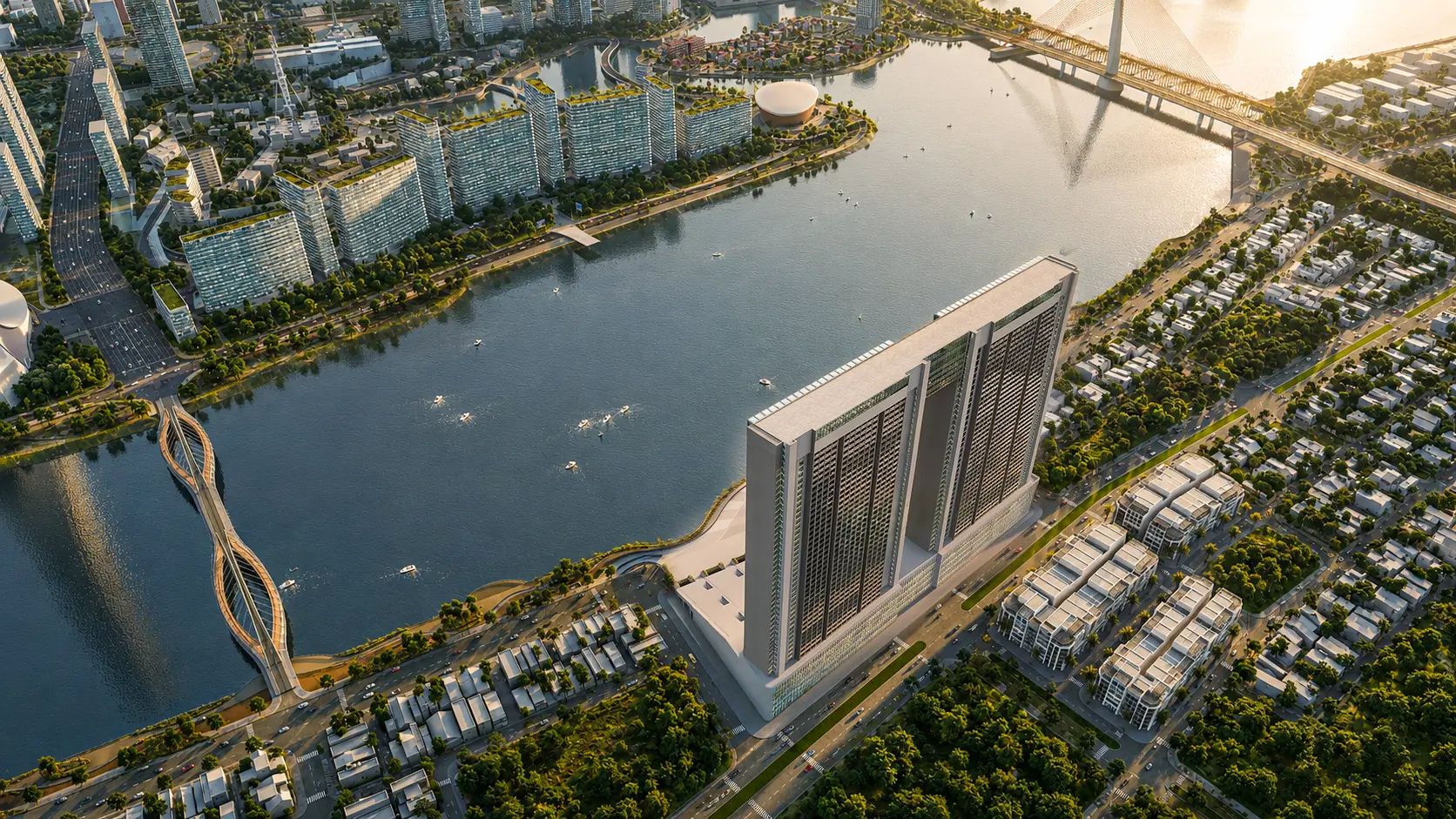
Single-building films
Circles the building at several heights, pausing on notable architectural details. Used for design competition entries and design presentations.
Day-to-night films
The same camera path, with light shifting gradually from afternoon to night to showcase the facade lighting — often the highlight of a high-rise.
Build-up sequence films
The building rises from foundation to completion, or from massing to materials. Well suited to explaining design intent to a review panel.
Live-action and CG composite films
Live footage of the site combined with the 3D-built building, showing the project in its real context.
Short clip sets for social media
Cut from the same footage into several fifteen-to-thirty-second clips, exported in vertical format.
Four review points during production
Unlike stills, late changes to a film are very costly — every second of film is a specific rendering workload. That is why the process has four review points, placed as early as possible.
Storyboard
A shot-by-shot description with camera direction and estimated duration. You approve it on paper before we touch the model.
Massing animatic
The camera runs through the untextured model. This is the most important review point: the film's flow and camera paths are locked here.
Color draft
Materials, lighting and landscape are added. You give feedback on mood and texture; camera paths are no longer changed.
Post-production and delivery
Color grading, music editing, transitions and export in the agreed aspect ratios.
Where revisions end and rework begins
With film, this line matters far more than with stills, because changing a camera path means re-rendering that entire shot.
Revisions — within the agreed scope
- Change finish materials and colors
- Adjust lighting and time of day
- Swap trees, people and vehicles
- Change background music, title text and editing pace
- Shorten or extend a shot within the limits of the rendered footage
Rework — quoted separately
- Change camera paths after the massing animatic has been approved
- Add new shots not in the storyboard
- Change the architectural scheme or building massing
- Increase total running time beyond what was agreed
- Change output aspect ratio or resolution
Inputs and deliverables
You provide
- 3D model in .skp, .max, .rvt or .3dm format
- Finish materials and landscape specifications
- Key message and where the film will be screened
- Desired running time and project brand identity
- Event date or media milestone you need it for
Lotuz delivers
- Finished high-resolution film in formats suited to the playback devices
- Aspect ratios for each agreed channel
- A version without background music for separate voice-over
- High-resolution stills extracted from the film for print materials
Projects where Lotuz produced the visuals
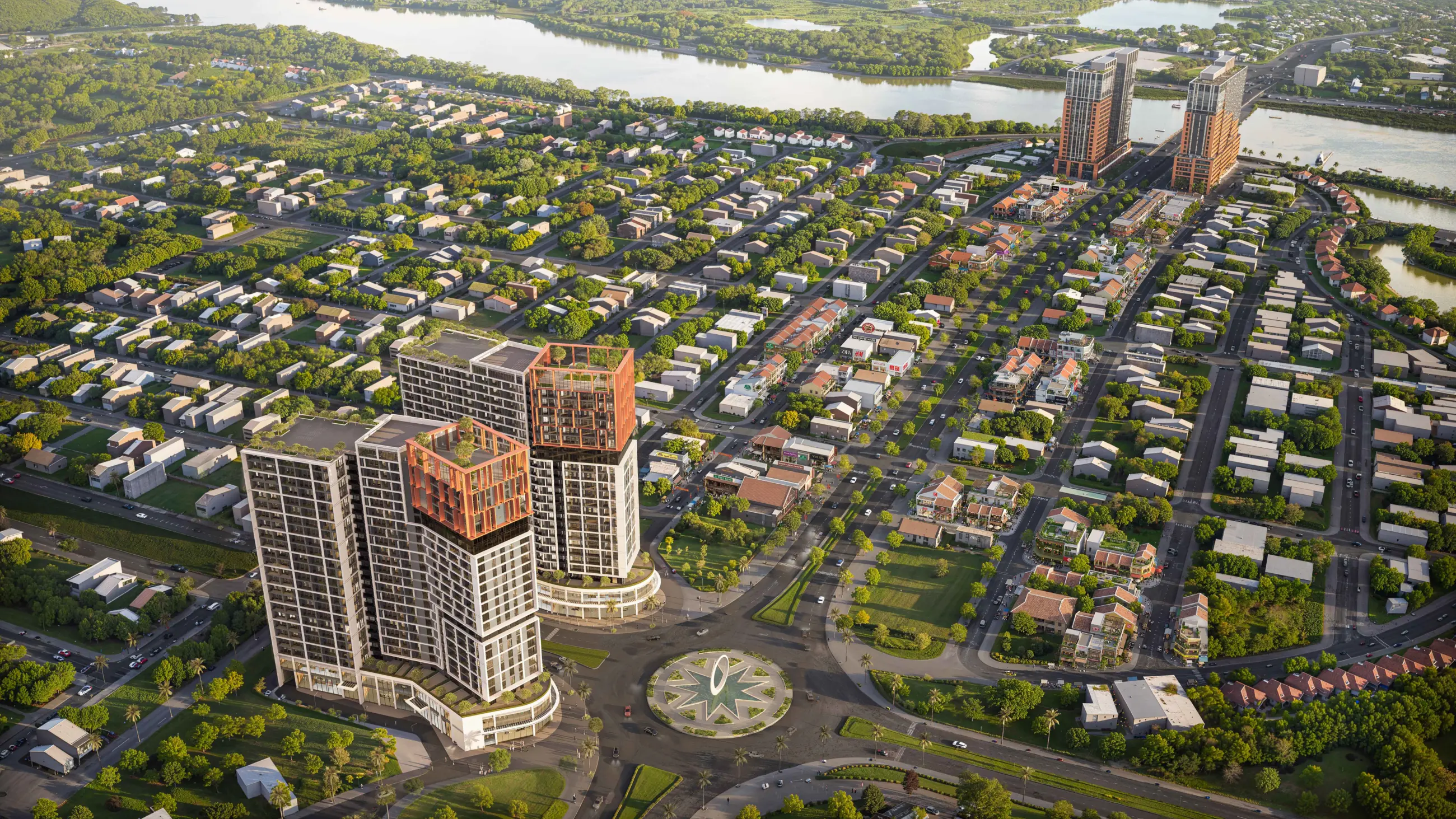
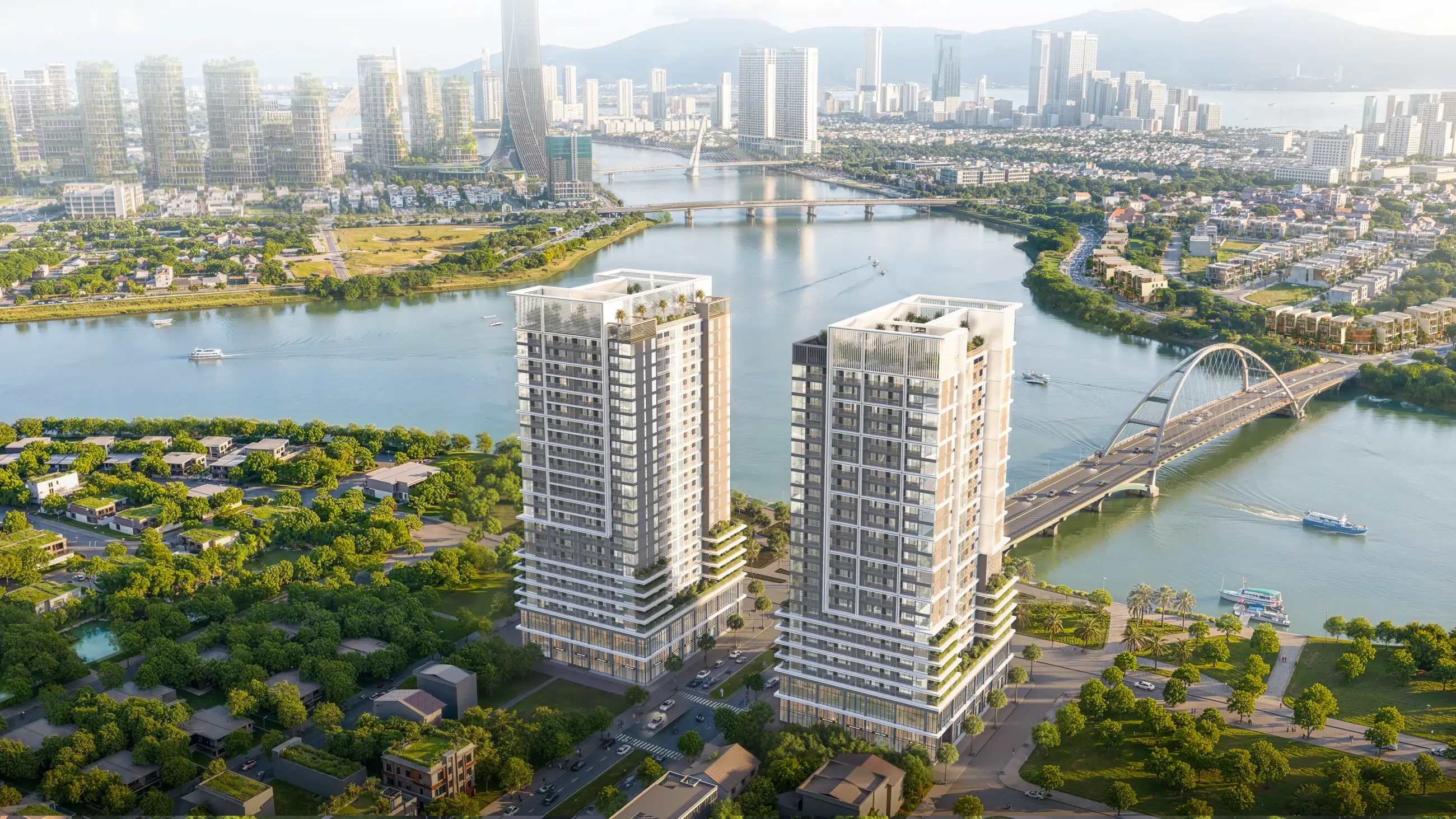
The portfolio below shows still visualization. Sample films matching your project type are sent separately when you contact us.
Capabilities and technology
Lotuz Studio does not rely only on off-the-shelf commercial software. We build our own in-house tools for our own workflow — the practical reason we can shorten timelines and keep pricing stable.
Lotuz.AI — our in-house AI toolkit for Photoshop
Controlled image generation, relighting and resolution upscaling, running directly inside Photoshop. It is a commercial product on public sale at lotuz.ai.
- What you get: a much shorter post-production stage, so we can take on rush requests too
A sync bridge between SketchUp and 3ds Max
An in-house tool that pushes changes from a SketchUp model to a 3ds Max scene while keeping the materials and lighting setup already in place.
- What you get: mid-project design changes do not force a scene rebuild from scratch, so the schedule does not slip
AI image processing that runs on our own workstations
Background removal, selection and edge refinement are processed locally in our office; files are never uploaded to third-party cloud services.
- What you get: unreleased project files never leave our systems
Our own 360 tour management system
We build and manage tours ourselves on krpano, including multi-resolution image tiling so tours open fast even on weak connections.
- What you get: tours you control yourself, with no dependence on a foreign platform subscription
A ten-person team doing the work directly
The person you talk to is the person who does the work. No call center, no coordination middlemen, no handoff to a third party.
- What you get: focused technical feedback from the very first conversation
Multi-format input files
We accept models from SketchUp, Revit, 3ds Max and Rhino, as well as CAD drawings. For projects without a model, 3D modeling is quoted as a separate item.
- What you get: no file conversion needed before sending your documents
How pricing works
Cost depends on running time, number of shots and the amount of landscape to be built around the building.
- We work under contract, issue VAT invoices and bill against sign-off milestones.
- If there is no 3D model yet, modeling is quoted as a separate line item.
FAQ
Can we see sample films before deciding?
What is a sensible running time for a film?
Can you do it without a 3D model?
Are there copyright issues with the background music?
Can you deliver if we order close to the event date?
Are project files delivered with the film?
Let's talk about your film
Please contact us on Zalo or call directly. We will include sample films for the building type you're interested in.
- Building type and project scale
- Whether a 3D model exists or needs to be built
- Desired running time and where the film will be screened
- Event date or media milestone